Wood Thilsted’s Florian van der Stap, an engineer within the FL&D (Foundation Loads & Dynamics) department and a PhD student at the Delft University of Technology (TU Delft), recently spent seven weeks on a course run by the university centre of Svalbard UNIS on the Norwegian Arctic archipelago of Svalbard to learn about the importance of sea ice physics and mechanics.
Sponsored by Wood Thilsted, Florian studied the impact of ice – from initial ice formation, up to large scale models of ice drift in the arctic and everything in between. Florian’s work is part of a wider campaign to investigate how the presence of appurtenances affects global ice loads on offshore structures such as an offshore wind monopile – something Florian covered last year in the following article. Ice loads on appurtenances are of high interest and relevance to the offshore wind sector as developers seek to install farms in deeper waters and more extreme climates.
Understanding the fundamental physics and mechanics of ice is essential for assessing ice-structure interaction between offshore wind turbines and sea ice.
This knowledge allows us to design safer and more efficiently, which is becoming increasingly important as the offshore wind industry expands into ice-prone regions such as the Baltic Sea and the Bohai Sea.
Florian’s industrial PhD is a collaboration between TU Delft and Wood Thilsted. His previous experimental campaign was conducted as part of a broader collaborative project also involving Aalto University (Finland) and Equinor.
Following his trip to the Arctic North we decided to ask Florian about his experiences and what he learnt on the ground.
What is your key takeaway from the research?
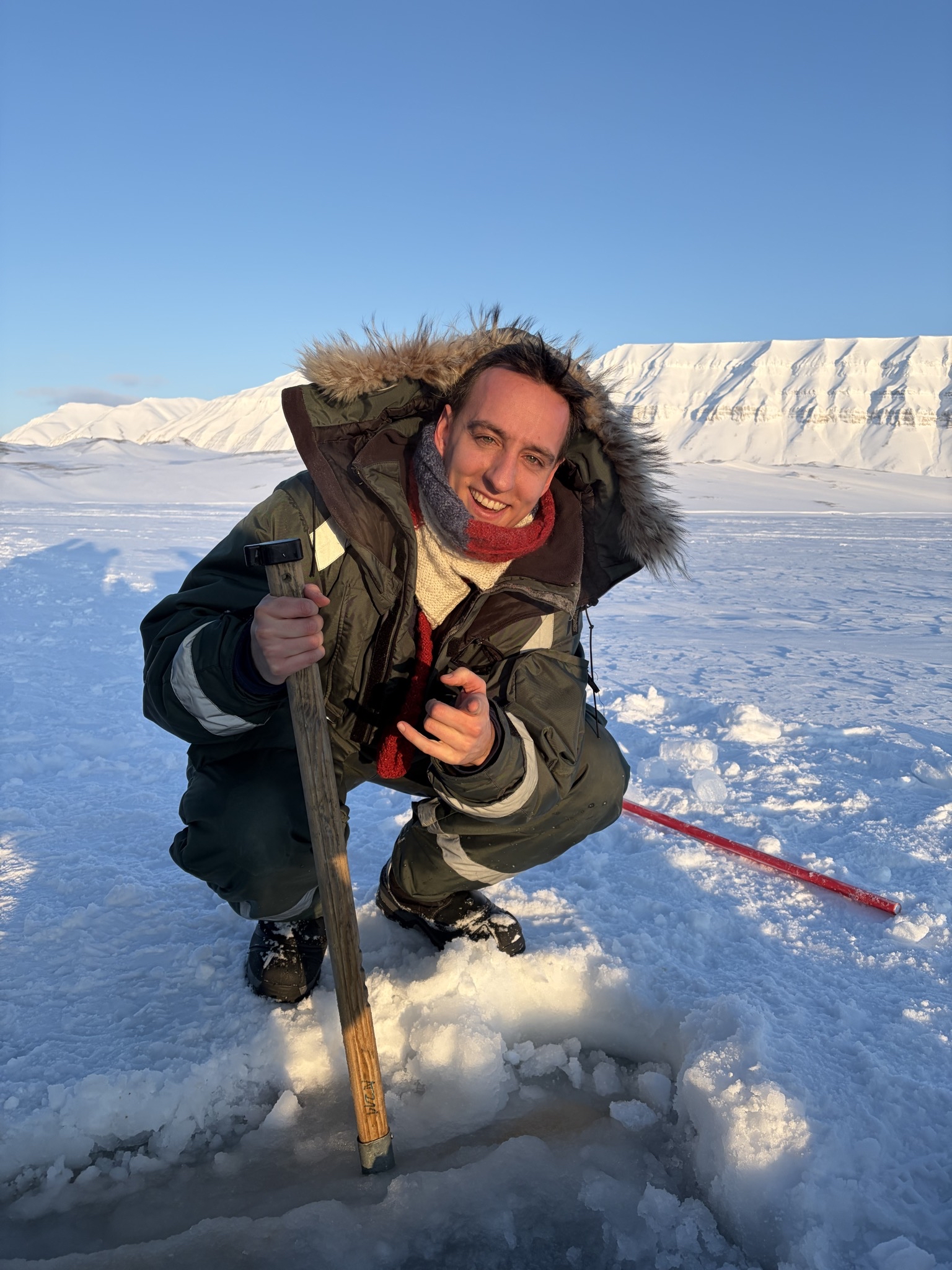
To truly understand sea ice, it is essential to experience it first-hand through Fieldwork, spending time in an extreme environment such as that found in Svalbard. Sitting behind a desk, even a simple concept such as ice thickness with a design thickness of 50cm can remain abstract.
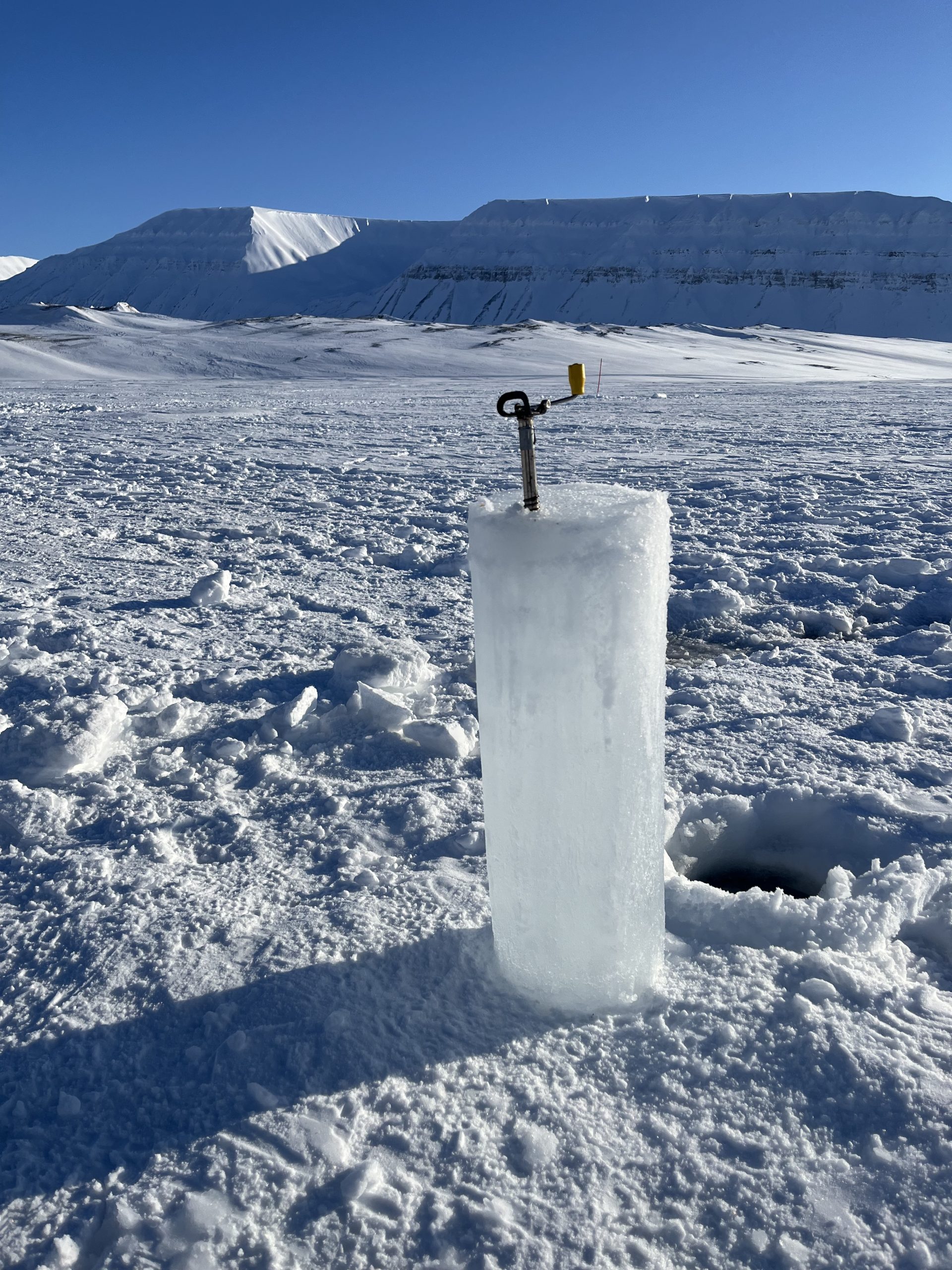
However, standing on a frozen fjord and extracting a 50 cm ice core yourself gives a completely different perspective. It makes you appreciate the size and the loads it could generate if it were to crush against an offshore structure.
Spending time in Svalbard highlighted the value of connecting theory with real-world observations. Seeing the physical processes that we discuss in lectures, textbooks and models directly in the field creates a much deeper and more lasting understanding than studying them in isolation.
It’s vital to bring these learnings into the everyday work that my colleagues and I do at Wood Thilsted for clients all around the world facing tough real-world offshore conditions.
What surprised you and what new discoveries did your research lead to?
One of the most surprising things I observed was how much the sea ice varied, even over short distances. This highlighted the challenge of characterising ice conditions based on a limited set of measurements. The fieldwork gave me a much better appreciation of how dynamic the sea ice environment is and how quickly conditions can change in response to weather and oceanographic conditions. Seeing this in person is remarkable.
What did the course entail?
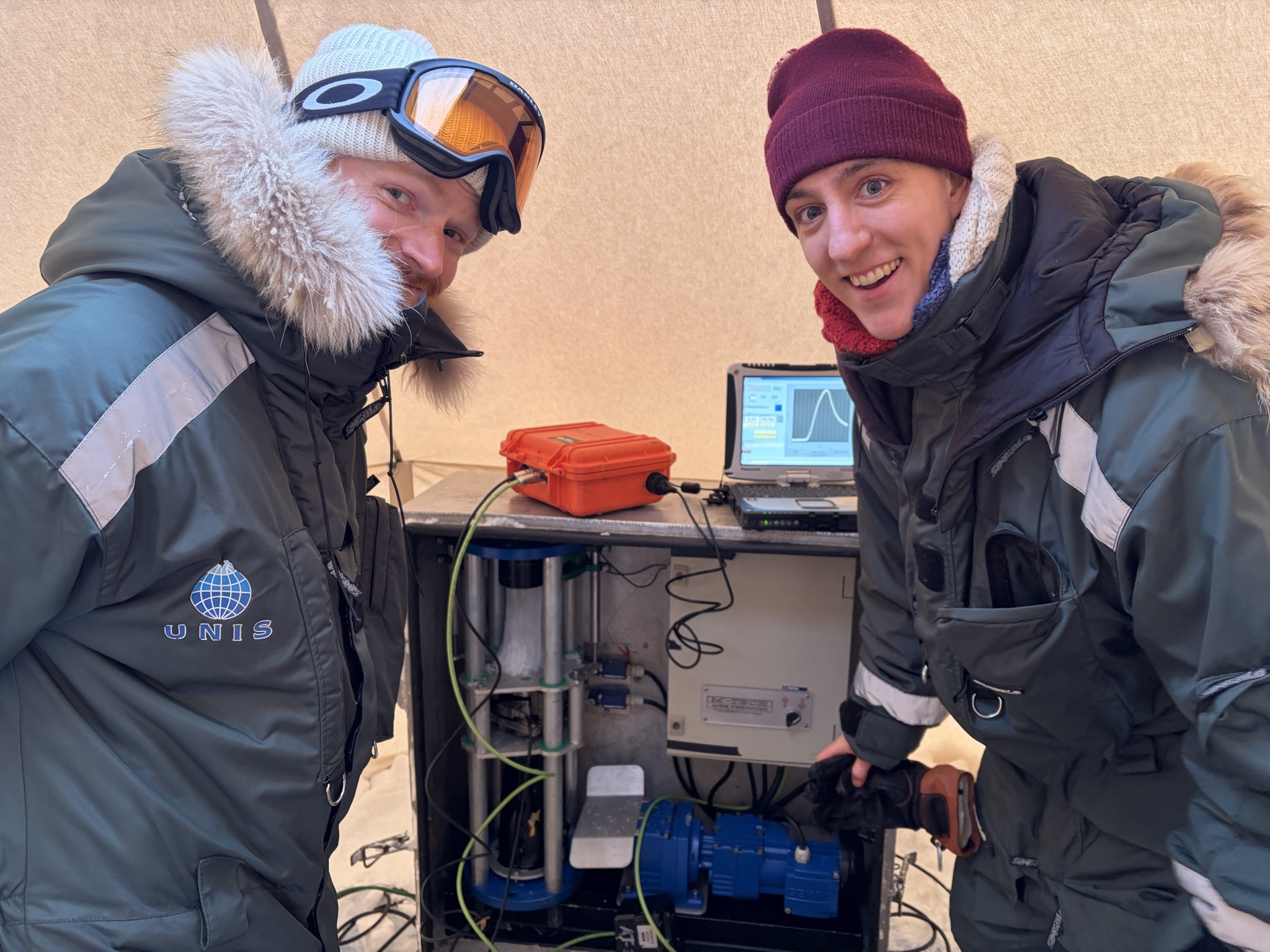
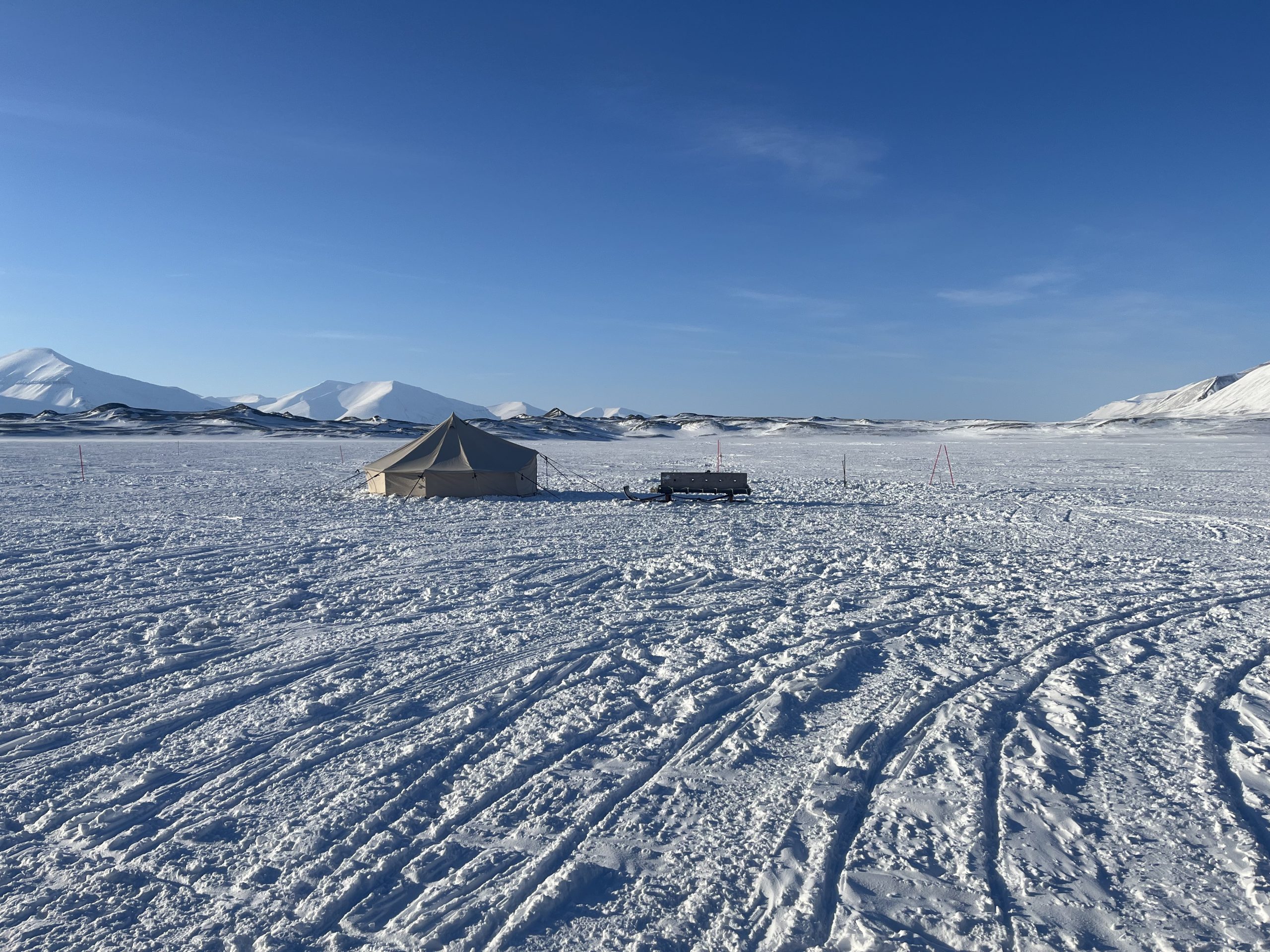
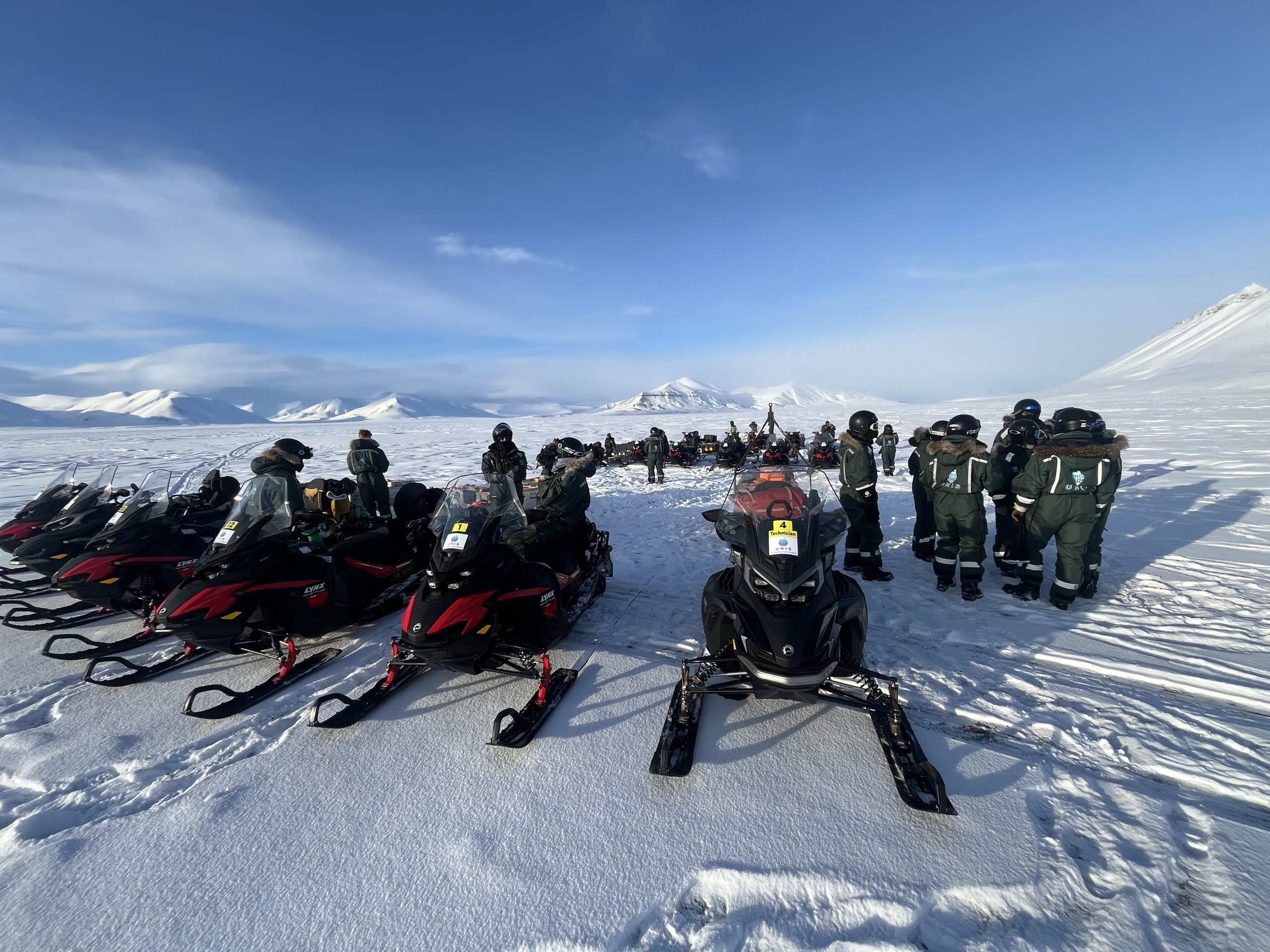
The course ran for seven weeks and involved daily lectures and laboratory work in the UNIS cold lab. The highlight though was a five-day fieldwork trip to small research cabins next to the sea ice in the fjord, which we could only reach with snowmobiles.
During the day we would take the snowmobiles out to the sea ice, where we ran a variety of tests on sea ice samples drilled out of the ice itself. My focus was on uniaxial compression tests, investigating the strength of ice samples taken at various locations, and depths, under different orientations to check their strength as a function of temperature, porosity, depth, and orientation (vertical and horizontally taken samples).
How can your experience on Svalbard be applied to your day-to-day work in offshore wind?
What I learned on Svalbard can be applied in two key ways. Firstly, it is essential for offshore infrastructure designers to step away from their desks from time to time to visit fabrication yards, installation vessels, and similar sites. By doing this one can really understand the specificity of the designs, the decisions made, and their impact downstream.
Secondly, when designing offshore foundations in cold regions, it is important to recognise that it is not an exact science. Ice thickness, strength, and therefore loads can vary significantly. This variability is the norm rather than the exception.
This calls for a pragmatic and thoughtful design approach, where we make informed decisions to ensure safety without becoming overly conservative. Through this learning we can translate this to serving our clients’ needs and to expanding the global reach of offshore wind – a key driver of the planet’s Net Zero ambitions.
Finally, what was Svalbard actually like?
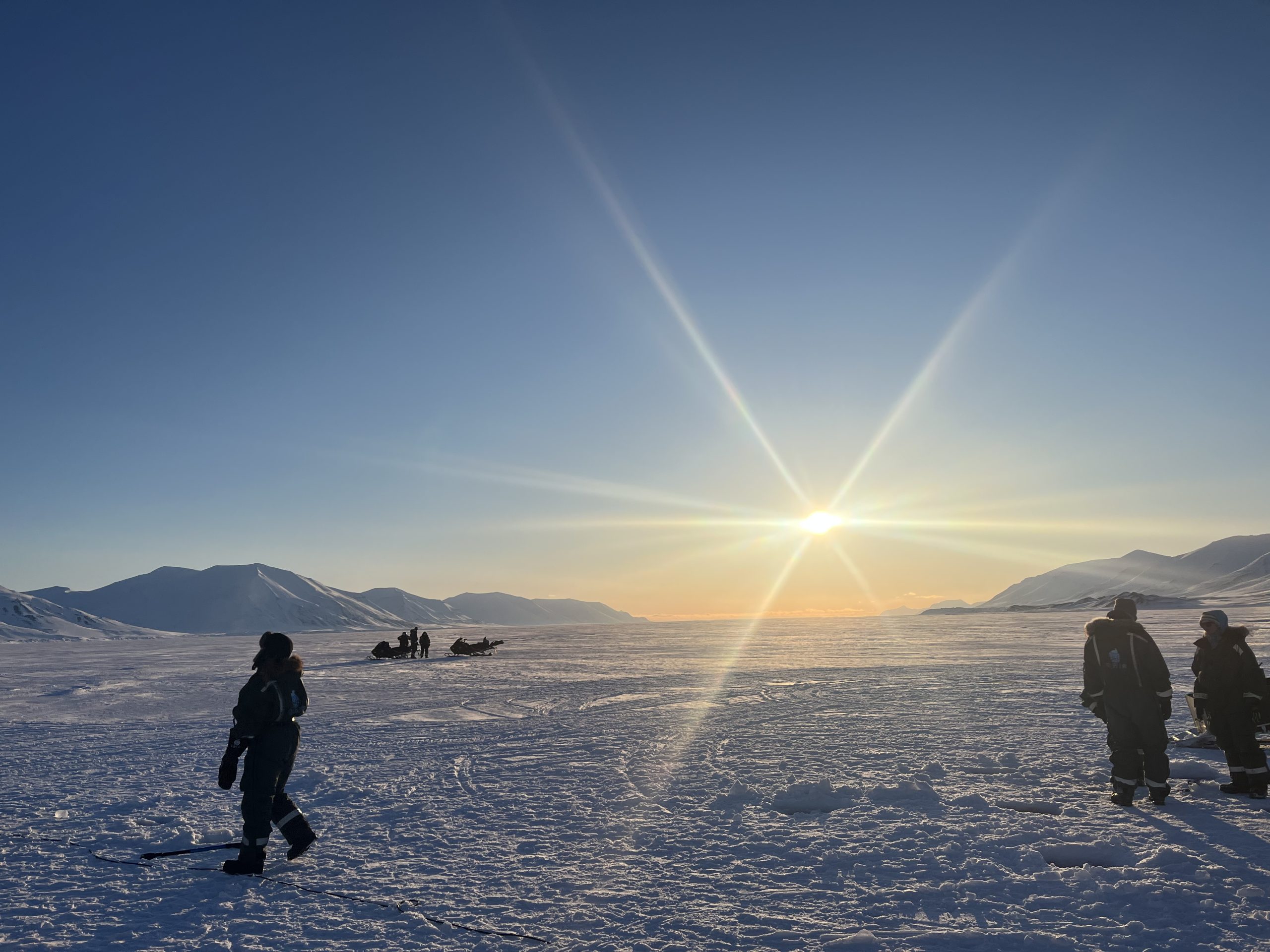
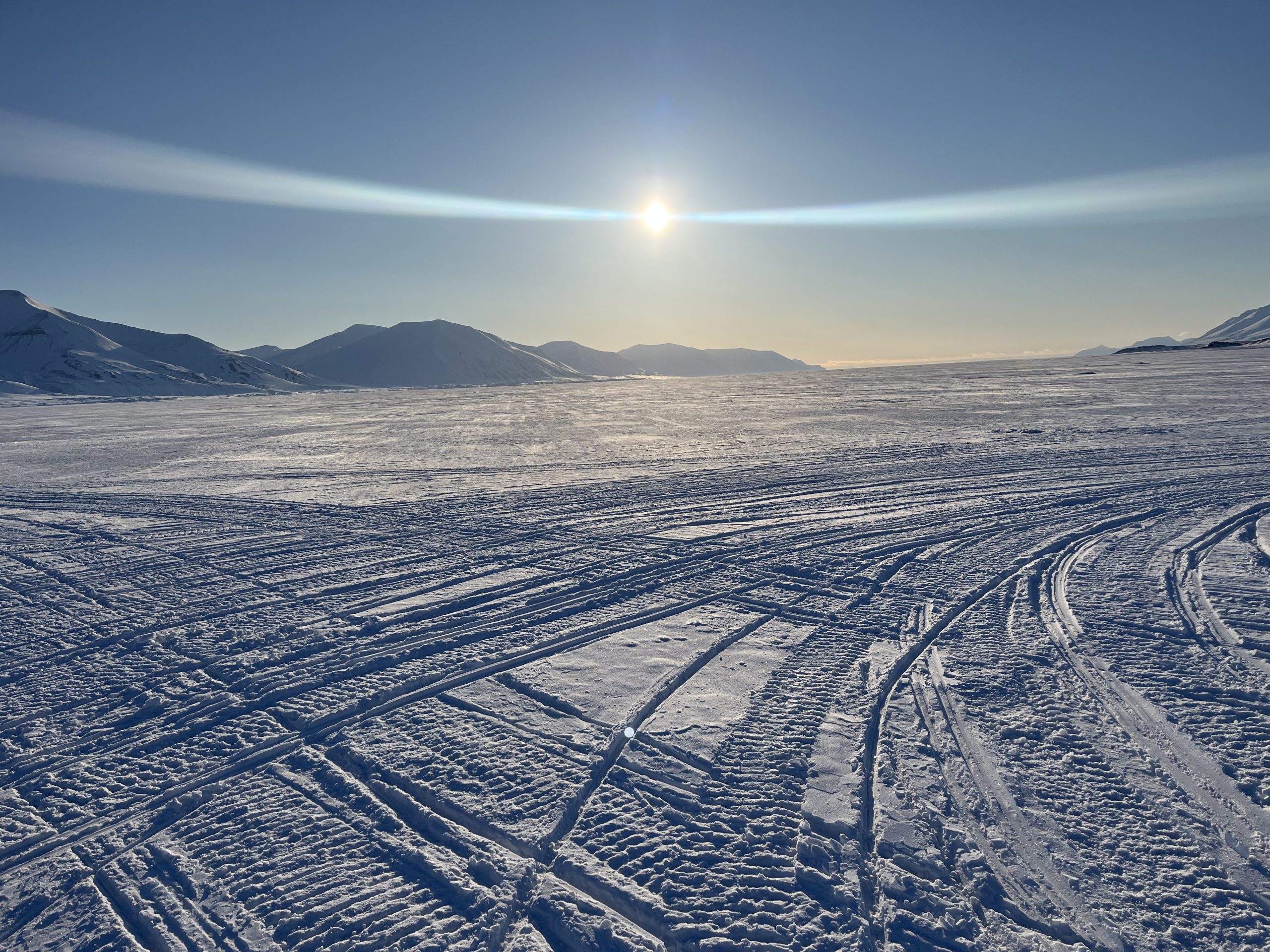
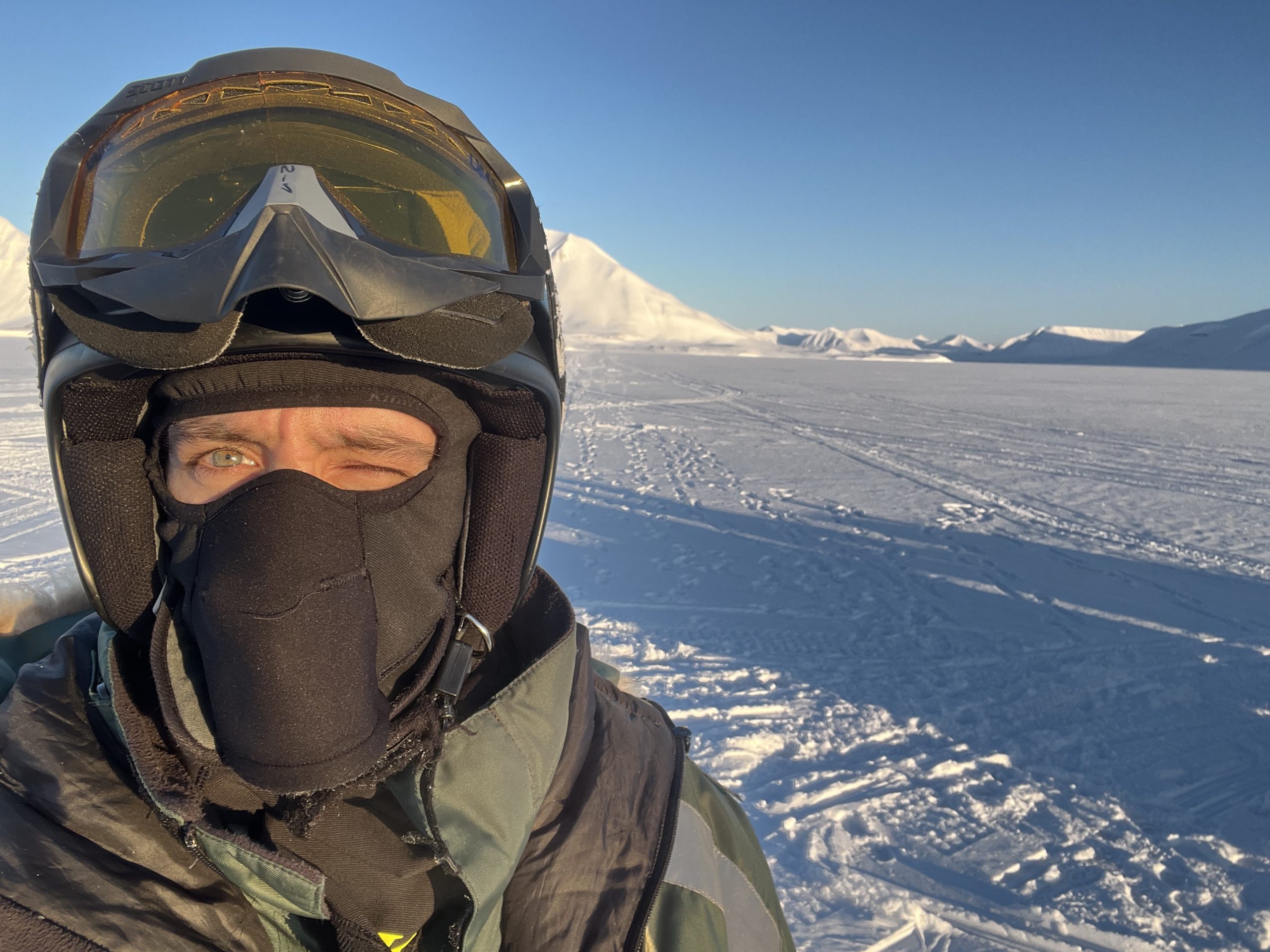
Svalbard is an incredible and virtually unspoilt environment. It therefore makes you feel like you are on the edge of the world. The landscapes are vast and beautiful as you can see from the photos that I took.
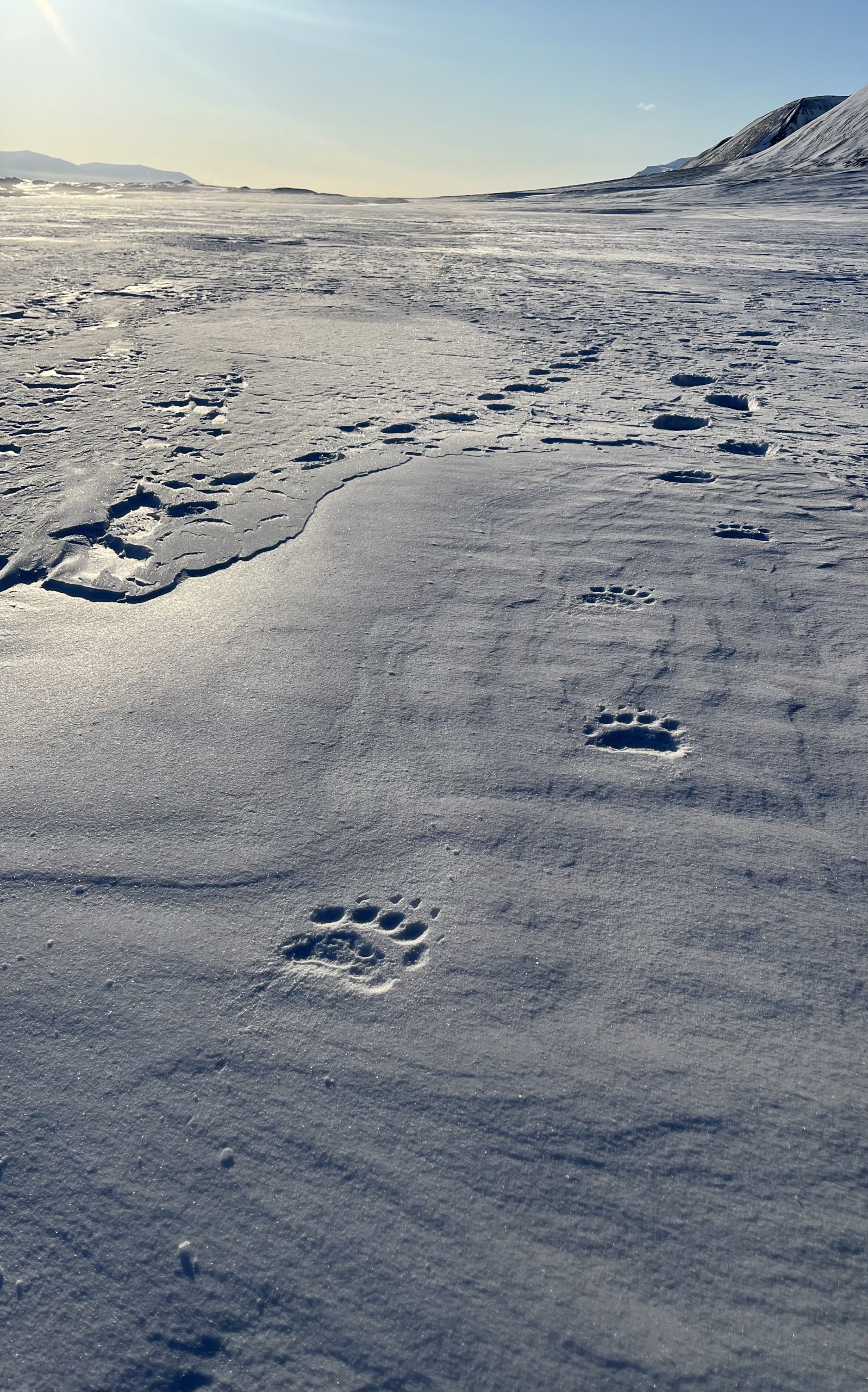
You also learn about nature and its power. Close to our research cabin, we spotted recent tracks from a polar bear Mum and her cub that were operating in the area, which was a timely reminder of the uniqueness of Svalbard and the challenges that it poses.
A huge personal thank you to Knut Høyland and the UNIS centre of Svalbard for the amazing organisation of the expedition.